Roof Tarping in Winter Haven, FL: How to Properly Tarp a Roof for Protection
After a storm rolls through Central Florida, a damaged roof can leave your home vulnerable to further water intrusion, and every hour matters. Roof tarping in Winter Haven, FL is often the first line of defense between your home and continued rain damage while permanent repairs are arranged. Knowing how to properly tarp a roof, or understanding what the process should involve when hiring a professional, can make a significant difference in protecting your home's interior. This guide walks through why roof tarping matters, how it's done correctly, and when it's best to call in professional help.
Why Roof Tarping Matters After Storm Damage
Florida's storm season can bring high winds, heavy rain, and flying debris that damage shingles, flashing, and roof decking. Even a small opening in your roof can allow significant water intrusion during heavy rainfall, leading to interior damage, insulation problems, and even mold growth if left unaddressed.
A properly installed tarp acts as a temporary barrier, helping to prevent additional water from entering your home while you arrange for permanent roof repairs. This step is especially important in Winter Haven and throughout Central Florida, where sudden storms and heavy rain are a regular part of the region's weather patterns. Left unchecked, that intrusion quickly becomes a full water damage problem.
Common Causes of Roof Damage in Central Florida
Understanding what typically leads to roof damage can help homeowners recognize when tarping is necessary.
High Winds and Storms
Florida's seasonal storms can lift or tear away shingles, weaken flashing, and create openings that allow water to seep in.
Falling Debris
Tree limbs and other debris carried by strong winds can puncture roofing materials or dislodge sections of the roof.
Hail Damage
While less frequent, hail can crack or damage roofing materials, compromising the roof's ability to keep water out.
Aging Roofing Materials
Older roofs are more susceptible to damage during storms, as materials naturally weaken and become more vulnerable over time.
How to Properly Tarp a Roof
Knowing how to properly tarp a roof is important, both for immediate protection and for avoiding additional damage during the process itself.
- Prioritize safety first — Roof tarping involves working at height, often after a storm has left surfaces wet or unstable. This is one of the primary reasons professional tarping services are recommended over DIY attempts, especially on steep or damaged roofing.
- Assess the full extent of the damage — Before placing a tarp, it's important to identify all areas of damage, not just the most visible opening, to ensure the entire vulnerable area is covered.
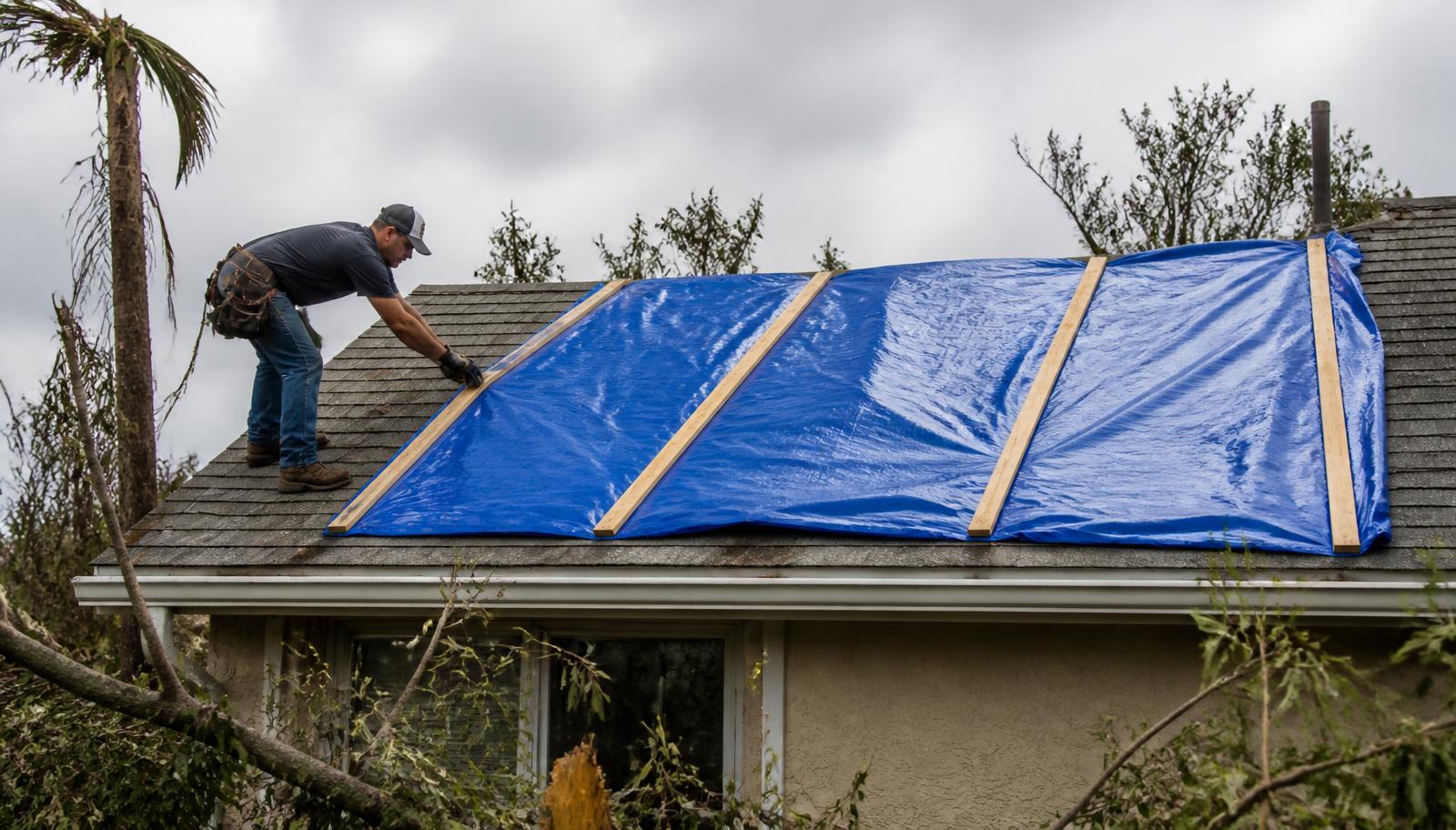
- Use a heavy-duty tarp — A properly sized, industrial-grade tarp designed to withstand wind and rain is essential for effective temporary protection. Lightweight or improperly sized tarps are more likely to fail during continued bad weather.
- Secure the tarp properly — The tarp should extend beyond the damaged area and be securely fastened using appropriate hardware, such as furring strips and screws, to prevent it from lifting in the wind.
- Avoid trapping moisture — Proper tarping technique helps prevent water from pooling or becoming trapped beneath the tarp, which could otherwise lead to additional moisture-related issues.
Why Professional Roof Tarping Is Often the Safer Choice
While some homeowners consider tarping their own roof after a storm, this task carries real risks, including falls, further roof damage, and improperly secured tarps that fail during continued bad weather. Professional roof tarping in Winter Haven, FL ensures the job is done safely and effectively, using proper equipment and techniques to secure the tarp against Florida's unpredictable weather conditions.
Professionals also have experience assessing the full scope of storm damage, which helps ensure vulnerable areas aren't accidentally overlooked during the tarping process. When storm water has already reached the interior — or backed up drains and contaminated standing water are involved — that same crew can move straight into sanitization and biohazard cleanup.
What to Do After Your Roof Is Tarped
Once your roof has been tarped, it's important to:
- Document the damage with photos for insurance purposes
- Contact your insurance company to begin the claims process
- Schedule a professional roof inspection to assess necessary repairs
- Monitor the tarp periodically, especially after additional storms
Protecting Your Winter Haven Home After Storm Damage
Storm damage can happen quickly, but protecting your home doesn't have to be complicated when you have experienced help on your side. Whether you're dealing with a small leak or significant roof damage, prompt, properly installed tarping can help prevent the situation from getting worse while permanent repairs are arranged. It also reduces the risk of a lingering moisture problem turning into mold remediation in Winter Haven, FL.
Onsite Mitigation and Restoration Inc proudly serves Winter Haven & Central Florida with dependable roof tarping and storm damage response. If your roof has been damaged by a recent storm, contact Onsite Mitigation and Restoration Inc today to request a free estimate for roof tarping in Winter Haven, FL. Our team is ready to help protect your home when you need it most.
Contact Onsite Mitigation & Restoration Today
Damage doesn't wait for a convenient time — and the sooner it's addressed, the better the outcome for your home. We proudly serve Winter Haven and all of Central Florida, ready to respond 24/7.