What Happens After Emergency Roof Tarping in Winter Haven
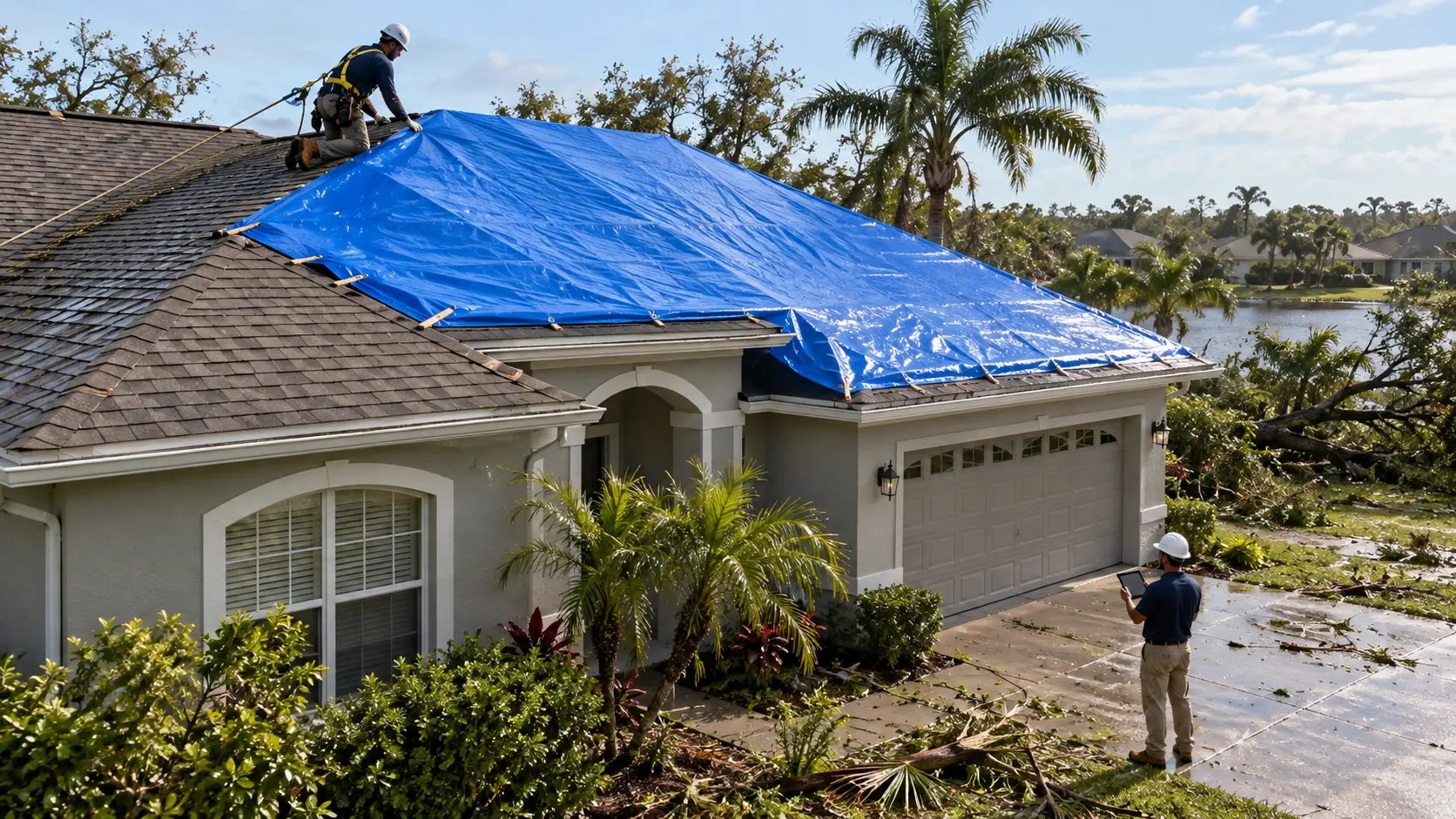
An emergency roof tarp is an important first layer of protection after wind, hail, falling debris, or a damaged tree opens part of a roof. It can help keep additional rain out while the property is assessed, documented, and prepared for permanent repair. The tarp is temporary, however, so homeowners still need a clear plan for the days that follow.
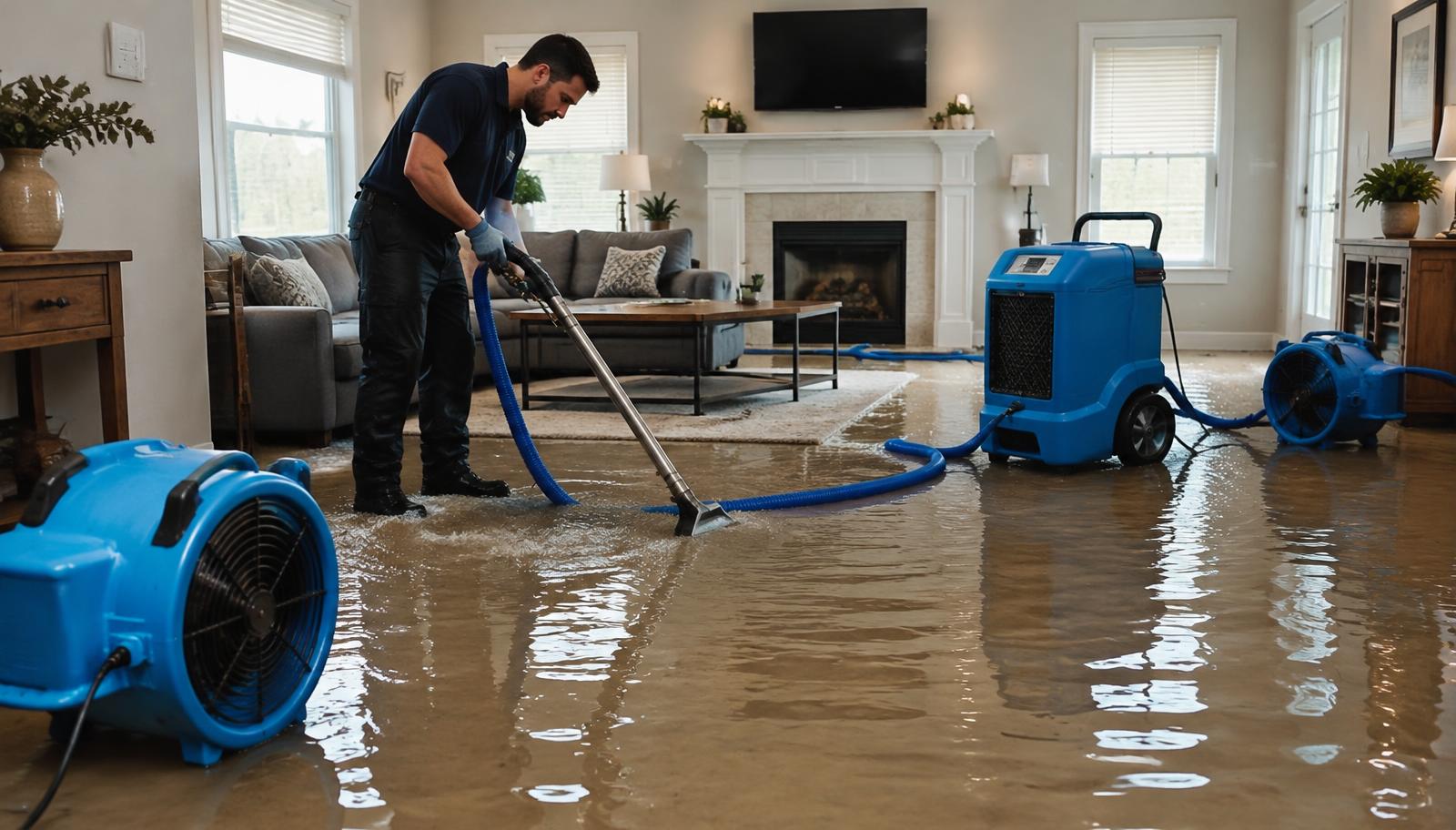
OnSite Mitigation & Restoration provides 24/7 emergency roof tarping in Winter Haven and across Polk County. The locally owned company is licensed and insured, offers same-day tarping when conditions allow, and documents the damage and temporary protection for insurance. It also provides interior water extraction and structural drying when rain entered before the roof was secured.
Confirm that the damaged area is fully protected
A professional tarp should extend beyond the compromised roof section and be secured so wind and runoff cannot easily lift or bypass it. Damage may include missing shingles, punctures from branches, lifted roofing, or openings that are difficult to see from the ground. The installation team should assess the roof area before choosing tarp placement and fastening points.
Do not climb onto a wet or storm-damaged roof to inspect the tarp yourself. Roofing surfaces can be slippery, and hidden structural damage may make an apparently solid area unsafe. From the ground or a safe interior location, watch for new ceiling stains, dripping, sagging materials, or changes in the tarp after strong wind.
Document the temporary protection and the original damage
Photos and video taken before, during, and after tarping can help show the condition of the roof and the steps taken to limit additional damage. Keep invoices, inspection notes, and any written recommendations together with your claim records. Coverage depends on the policy and cause of loss, so confirm requirements directly with your insurance carrier.
OnSite explains its assessment, tarp installation, and claim-documentation process on the emergency roof tarping service page. Avoid removing damaged roofing or discarding storm debris connected to the loss until it has been photographed and the appropriate professionals have advised you.
Check the attic and interior for moisture
Tarping helps stop new water intrusion, but it does not remove moisture that already entered. Wet insulation, ceiling cavities, drywall, or framing may remain damp even when active dripping has stopped. A moisture assessment can identify affected areas that are not visible and determine whether extraction or professional drying is needed.
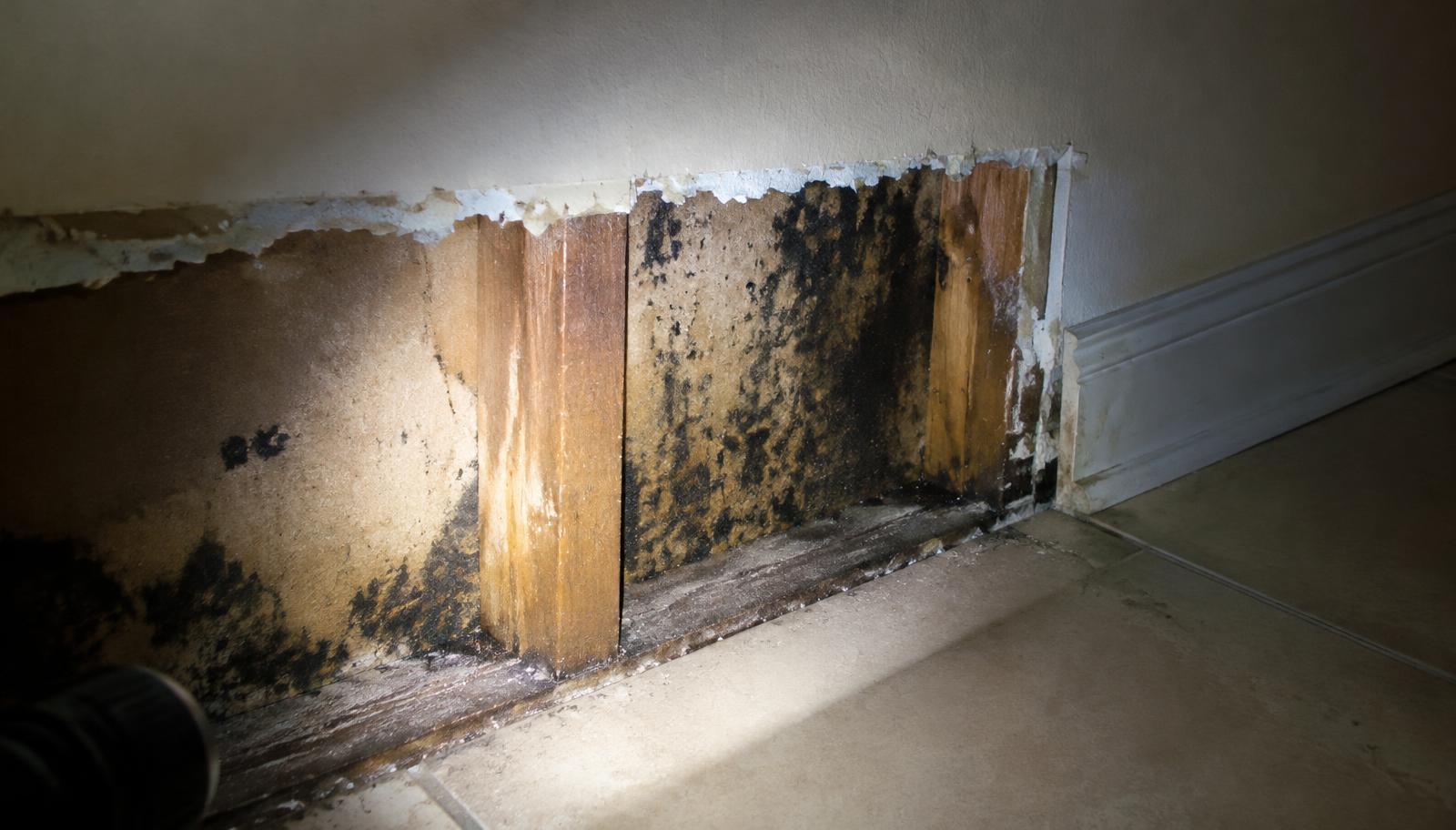
If rain reached the interior, professional water damage restoration in Winter Haven can address standing water, moisture mapping, and structural drying. Lingering dampness may contribute to staining, deterioration, odors, or mold growth; the company also provides mold inspection and remediation when a separate mold concern develops.
Plan for repair and continue monitoring
An emergency tarp should remain only as long as necessary for qualified repair professionals and the insurer to evaluate the loss. Ask who will inspect the underlying roof, what repairs are recommended, and whether the tarp needs periodic checking if scheduling or claim review takes time. After high wind or heavy rain, report any loosened edges or renewed leaking rather than attempting a roof repair yourself.
For storm-damaged roofs in Winter Haven, Lakeland, Auburndale, Bartow, and nearby Polk County communities, call OnSite Mitigation & Restoration at (863) 347-3029. The team is available around the clock to assess the damage, secure the opening, and document the next steps.
Contact Onsite Mitigation & Restoration Today
Damage doesn't wait for a convenient time — and the sooner it's addressed, the better the outcome for your home. We proudly serve Winter Haven and all of Central Florida, ready to respond 24/7.