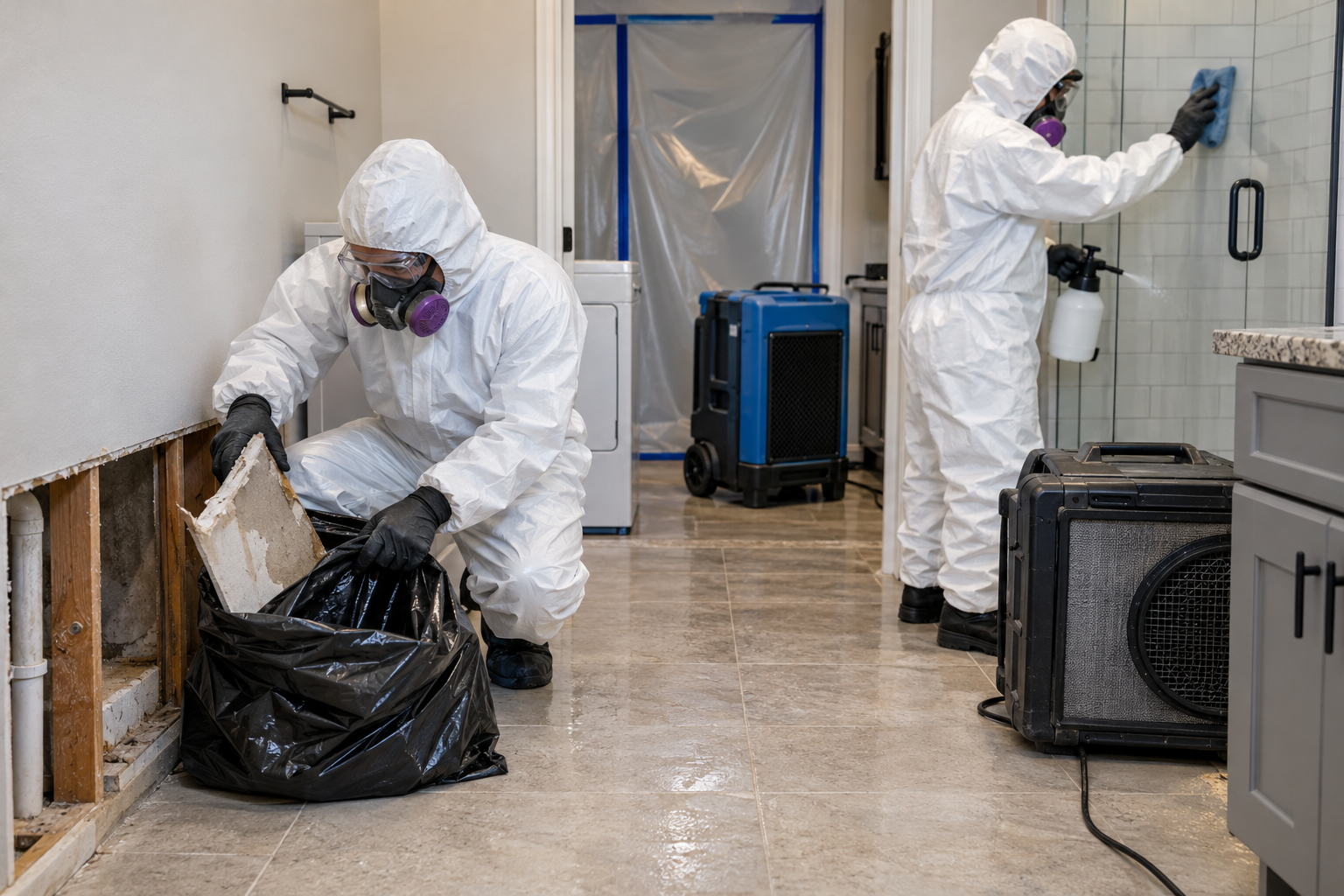
After a sewage backup, the first priority is limiting exposure and controlling contamination. Homeowners naturally want to know what can be cleaned and what must be discarded. The answer depends on what the sewage touched, how deeply it absorbed, the material itself, and whether the item can be safely cleaned and dried. Professional sewage backup cleanup in Winter Haven evaluates each part of the affected area instead of treating every material the same.
Porous Materials Are Difficult to Decontaminate
Carpet, padding, insulation, and many types of drywall readily absorb contaminated water. Sewage can move into pores, backing, seams, and concealed spaces that surface cleaning cannot reliably reach. Depending on the extent and condition, these materials may need controlled removal and disposal. Cutting away affected material also gives technicians access to framing, cavities, and subflooring that require cleaning and drying.
Hard Nonporous Surfaces May Be Restorable
Materials such as intact ceramic tile, glass, metal, and some sealed surfaces may be candidates for cleaning and disinfection when they remain structurally sound. Technicians still need to inspect grout lines, joints, edges, and the layers beneath a finished surface. A tile may look unaffected while contaminated water has reached adhesive, underlayment, or a nearby wall cavity.
Wood and Contents Require Item by Item Decisions
Solid wood framing may sometimes remain after accessible surfaces are cleaned and the structure is thoroughly dried, but engineered wood and composite products can swell, delaminate, or retain contamination. Contents also vary. Washable hard goods may be restorable, while absorbent items that cannot be fully cleaned may not be. Sentimental value does not change the contamination risk, but it should be discussed before anything is discarded.
The Source and Exposure Time Matter
A small toilet overflow caught immediately may affect a different set of materials than a main-line backup that spreads through several rooms. The amount of sewage, duration of contact, movement beneath flooring, and condition of each material all influence the scope. This is why removal decisions should follow an on-site assessment rather than a general checklist or a quick visual inspection.
Cleanup Continues After Removal
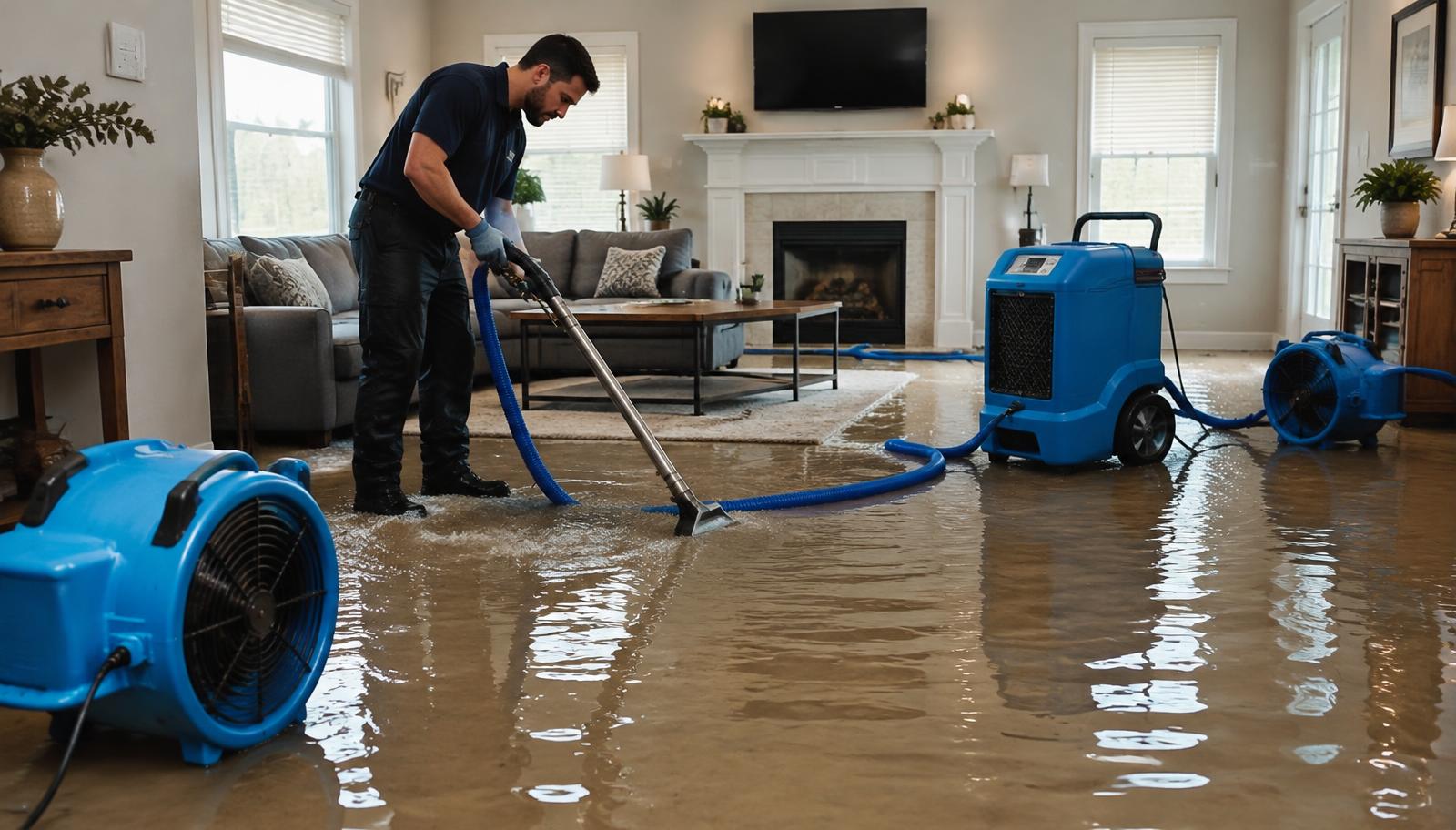
Once contaminated water and unsalvageable materials are removed, remaining surfaces can be cleaned and disinfected with products and methods suited to the material. Controlled drying then addresses moisture in the structure. Moisture readings, photographs, and a documented scope help explain what was removed, what was treated, and how drying progressed. Insurance coverage varies by policy and cause, so property owners should confirm details with their insurer.
Professional water damage restoration supports structural drying and moisture monitoring. If secondary moisture concerns develop, mold remediation in Winter Haven can address a separate mold problem.
A Professional Assessment Protects More Than Materials
Trying to save contaminated materials without proper protective equipment or containment can spread the problem into clean areas. OnSite Mitigation and Restoration provides 24/7 sewage cleanup and structural drying from Winter Haven across Polk County, including Lakeland and Auburndale. Keep people and pets away from the affected area and wait for a trained team to determine the appropriate scope.
Dealing with a sewage backup? Call OnSite Mitigation and Restoration at (863) 347-3029 for 24/7 emergency assistance in Winter Haven and across Polk County. Keep family members and pets away from the affected area while the team assesses contamination, removes sewage water, identifies unsalvageable materials, cleans remaining surfaces, and begins controlled drying.
Contact Onsite Mitigation & Restoration Today
Damage doesn't wait for a convenient time — and the sooner it's addressed, the better the outcome for your home. We proudly serve Winter Haven and all of Central Florida, ready to respond 24/7.