Mold After Water Damage in Lakeland, FL: Signs and What to Do
The water is gone, the floors look dry, and life is starting to feel normal again. Then a few weeks later you notice a musty smell in the hallway or a dark spot creeping up the bottom of a wall. Mold after water damage in Lakeland is one of the most common problems homeowners run into, and it usually happens because moisture was left behind somewhere you couldn't see. Here's why it happens, what to watch for, and how professional drying and mold remediation help you get ahead of it.
Why Mold Shows Up After Water Damage in Lakeland Homes
Mold needs three things: moisture, something to feed on, and time. After a leak or flood, most homes have all three. Drywall paper, wood framing, carpet pad, and insulation give mold plenty to eat, and Lakeland's warm, humid air means wet materials don't dry out on their own very quickly.
The tricky part is that the surface can feel dry while the inside of a wall, the subfloor, or the bottom plate of the framing is still damp. Towels and box fans can make a room look fine, but they rarely reach the moisture trapped behind baseboards or under flooring. That hidden dampness is where mold tends to get started.
Common water events that lead to mold
- Burst or leaking pipes inside walls or under sinks
- AC condensate line clogs and overflowing drain pans
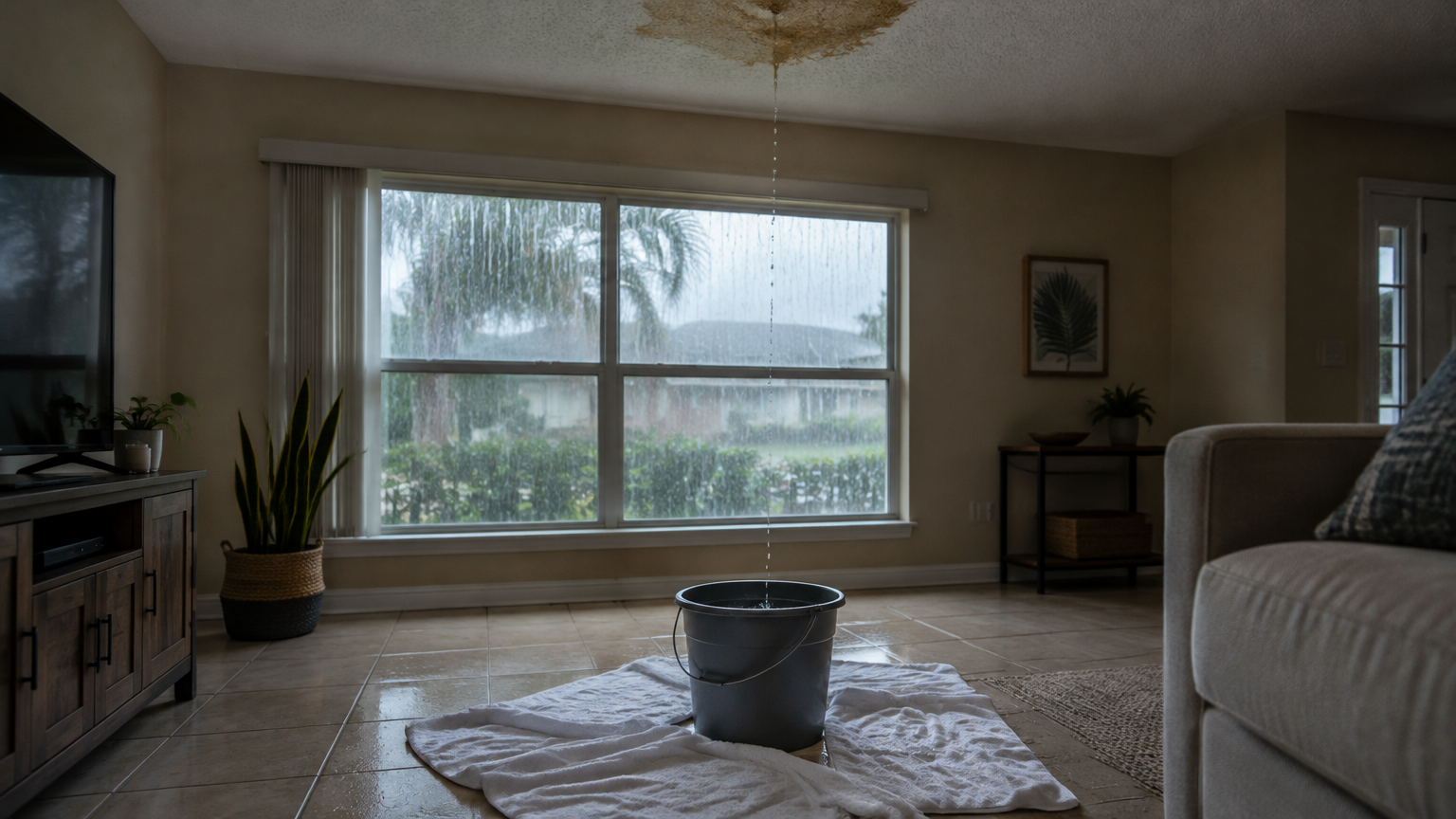
- Roof leaks from Polk County storms and heavy afternoon rain
- Water heater and appliance leaks
- Slab leaks that soak flooring from below
- Flooding or water that sat for a while before anyone noticed
If you've dealt with any of these, our guides on what to do after a burst pipe in Lakeland and AC leak water damage in Florida explain how those leaks start and how to limit the damage.
Warning Signs of Mold After Water Damage
Mold doesn't always announce itself with obvious black spots. Keep an eye out for these clues in the weeks and months after a water problem:
- A musty or earthy smell that lingers in one room or area
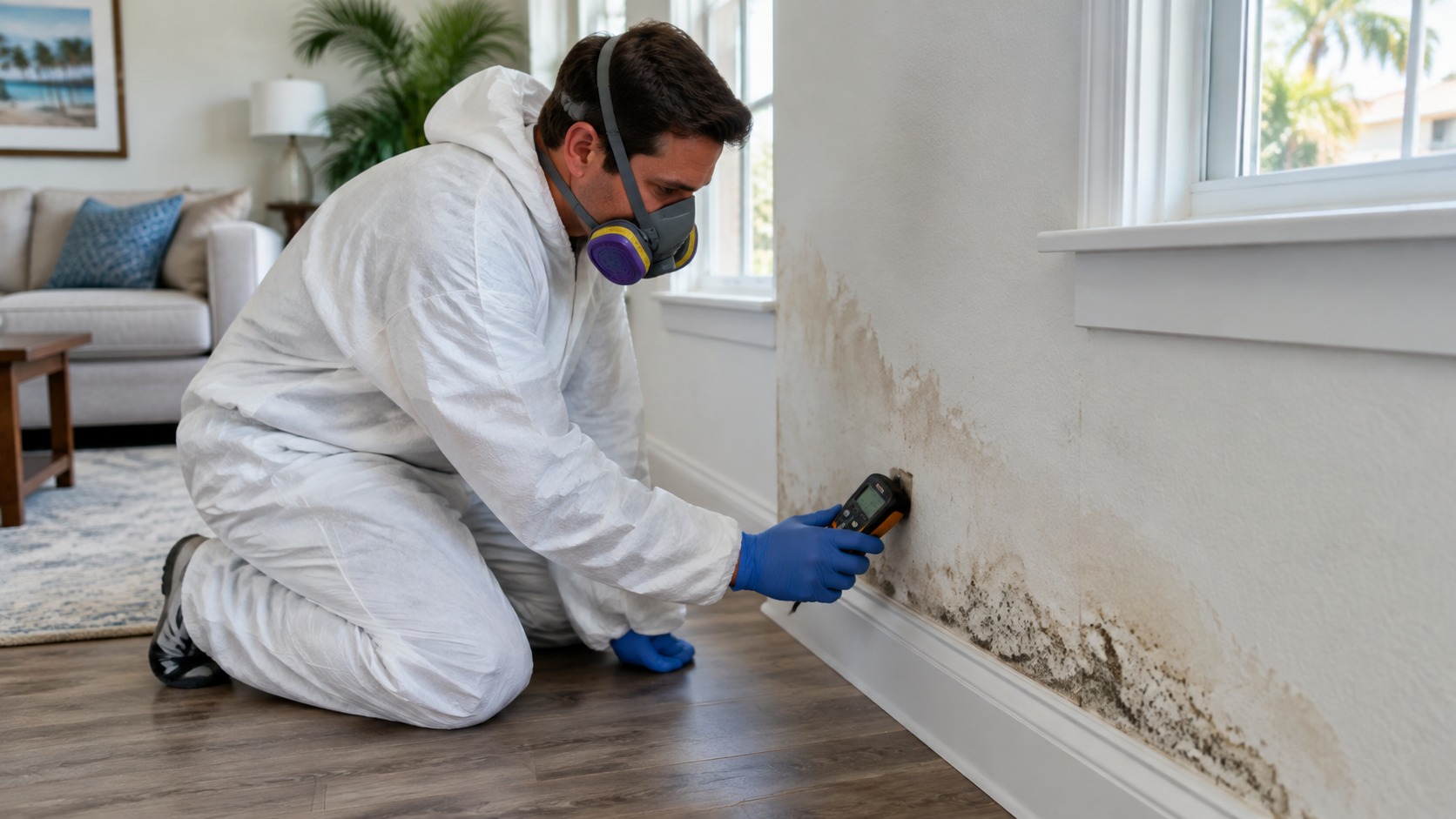
- Dark, fuzzy, or discolored spots on walls, ceilings, or baseboards
- Paint that bubbles, peels, or looks stained
- Drywall that feels soft or crumbles at the bottom edge
- Flooring that cups, warps, or smells damp
- Allergy-type symptoms that seem worse when you're home
Our post on the signs of hidden mold in Florida homes goes deeper into the clues that point to growth behind walls and under floors.
What to Do If You Suspect Mold After Water Damage in Lakeland
Stop the water source first
Mold won't stay gone if water keeps coming in. Make sure the leak has been repaired, whether that means a plumber for a pipe, an HVAC tech for an AC line, or a cover over a damaged roof. If storm damage opened up the roof, emergency roof tarping can help keep more rain out while repairs are arranged. Our article on a roof leak during a storm in Lakeland covers what to do in the moment.
Don't scrub or tear into it yourself
It's tempting to grab a spray bottle or start pulling off drywall, but disturbing mold can send spores into the air and spread the problem into clean rooms. Bleach also doesn't reach growth inside porous materials. It's safer to leave the area alone, close the door if you can, and get a professional opinion.
Take photos and keep records
Photograph stains, damaged materials, and the original water damage if you still have pictures from it. Keep repair invoices and notes together. Our water damage insurance claim guide covers what's helpful to document.
How Professional Drying Helps Prevent Mold
The best way to deal with mold is to keep it from starting. That's why proper water damage restoration matters so much after a leak or flood. Instead of guessing, a restoration team measures moisture and keeps drying until the materials are actually dry. The process often includes:
- Extracting standing water from floors and carpet
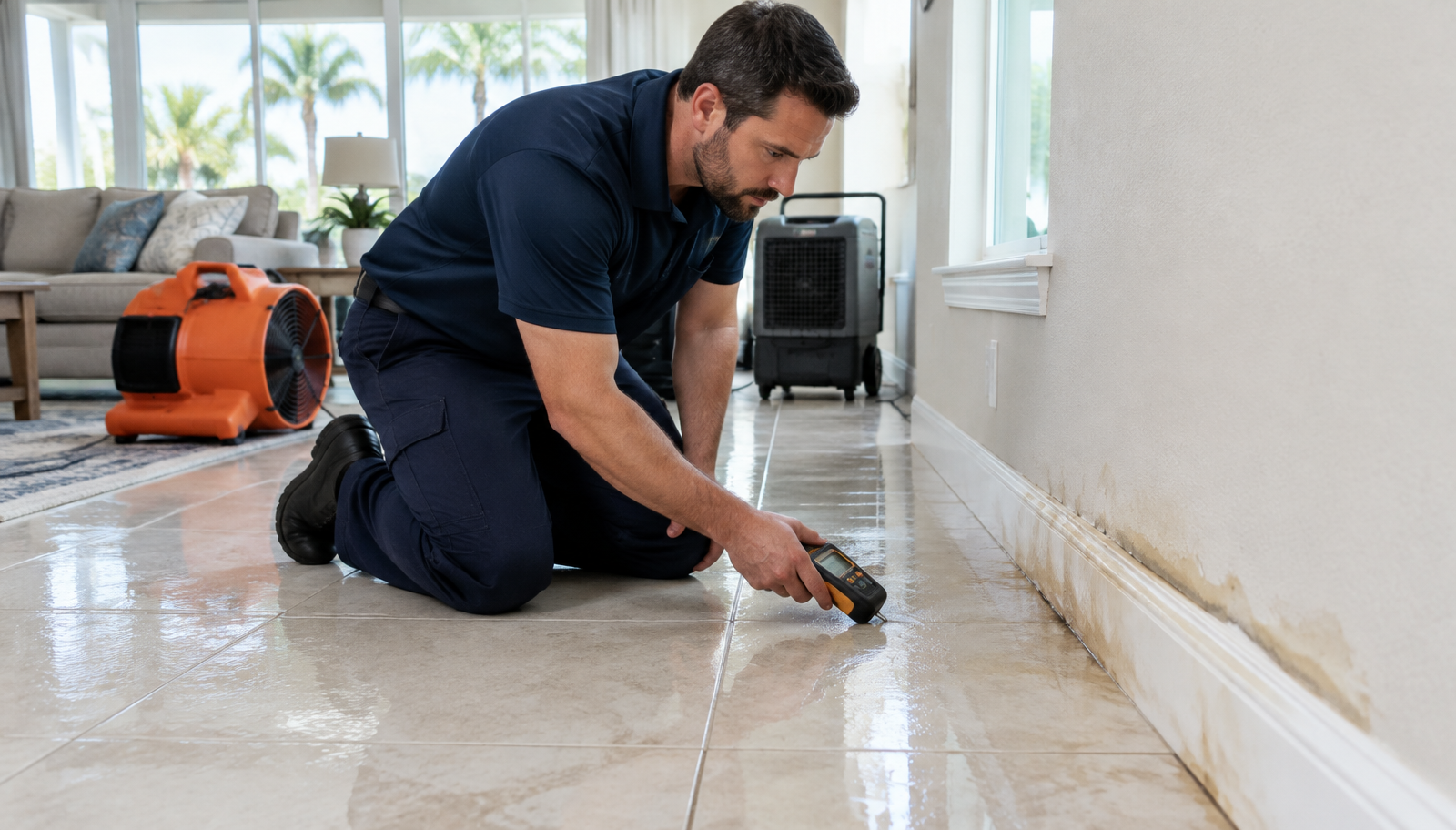
- Using moisture meters to find wet areas behind walls and under flooring
- Removing wet materials that can't be dried in place, like soaked carpet pad
- Setting up air movers and dehumidifiers for the affected rooms
- Checking moisture readings until materials reach dry standards
Our guide on the first 24 hours after a flood explains why getting drying started early makes such a difference, and our post on slab leak water damage shows how moisture can travel farther than you'd expect.
What Mold Remediation Looks Like
If mold has already started, drying alone isn't enough. OnSite Mitigation & Restoration follows the same general process described on our mold remediation page:
- Inspecting the area and, when needed, collecting air or surface samples
- Tracking down the moisture source so the mold doesn't come back
- Setting up containment and negative air pressure to keep spores from spreading
- Removing mold-affected materials that can't be cleaned
- Cleaning and treating remaining surfaces with an antimicrobial product
- Drying the area and documenting the work for your records
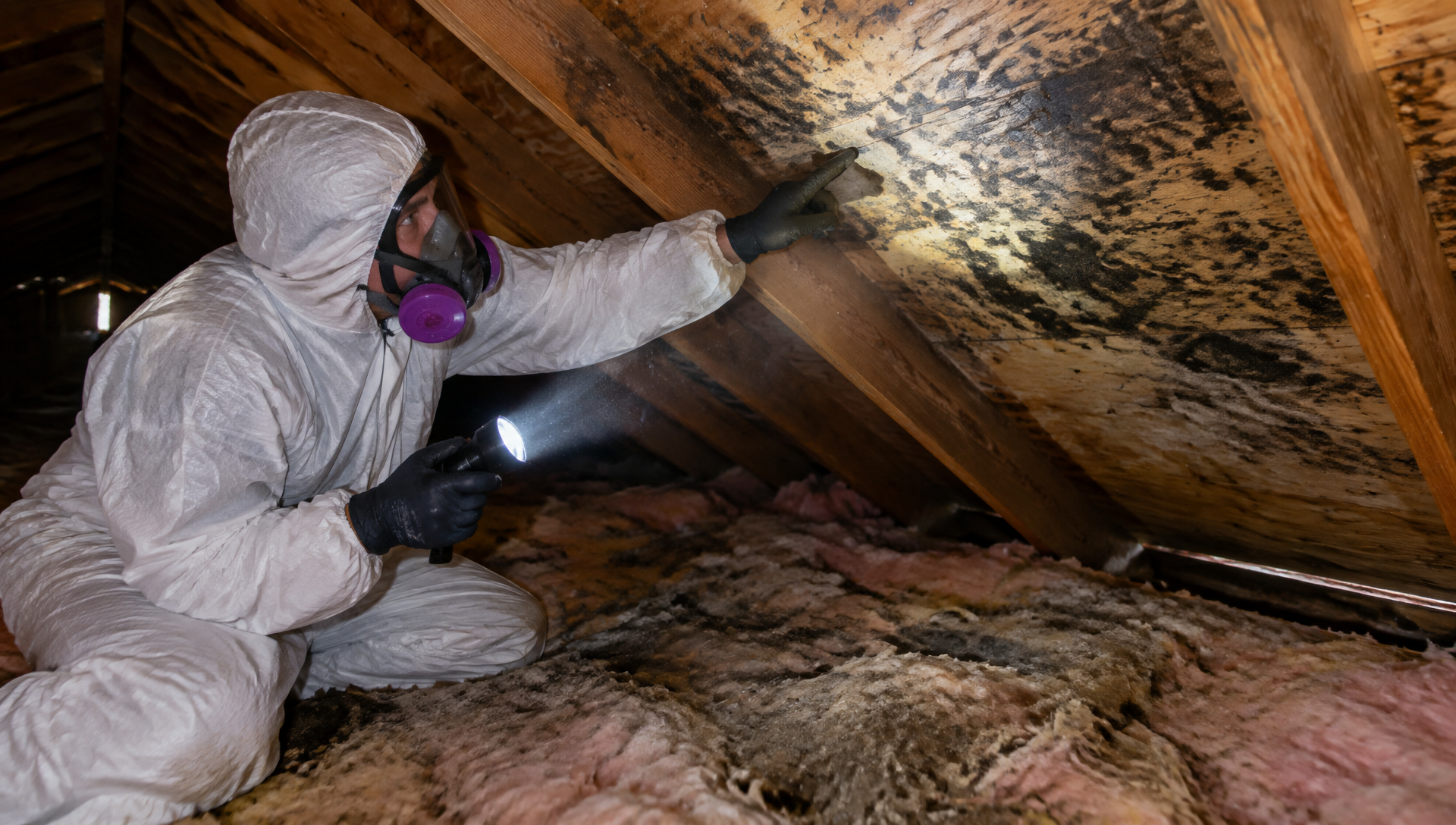
For the full step-by-step, read what a mold remediation company does. If the water came through the roof, it's also worth checking upstairs. Our post on attic mold in Florida homes explains what to look for.
When the Water Wasn't Clean
Not all water damage is the same. If the water came from a sewer line, a toilet backup, or outside floodwater, it may carry bacteria and other contaminants. That kind of cleanup calls for protective gear and disinfection, the same precautions used in sewage and biohazard cleanup. Materials that soaked up contaminated water are often handled differently than those hit by a clean supply line.
Does Insurance Cover Mold After Water Damage?
It depends on your policy and what caused the water damage. Some policies treat mold from a sudden event differently from mold caused by a slow leak, humidity, or maintenance issues, and many policies have mold limits or exclusions. Sewage-related damage can come with its own limits too. Call your insurance company, ask what your specific policy covers, and keep your photos and records together.
Serving Lakeland and All of Polk County
OnSite Mitigation & Restoration is locally owned and based in Winter Haven, helping homeowners in Lakeland, Auburndale, Bartow, Haines City, Lake Wales, and nearby Polk County communities with water damage, mold, sewage cleanup, and storm damage. Whether the water problem happened last week or last season, our team can check for leftover moisture and let you know what's going on.
Frequently Asked Questions
Can mold grow even if the water damage looks dry?
Yes. The surface can dry while moisture stays trapped inside walls, under flooring, or in insulation. That hidden dampness is often where mold starts, which is why moisture readings are more reliable than how a room looks or feels.
Will running fans and a dehumidifier prevent mold?
They can help with surface drying, but household fans usually can't reach water trapped behind baseboards or in the subfloor. A professional moisture check helps confirm whether materials are actually dry.
Do I need to replace drywall that got wet?
Not always. It depends on how long it stayed wet, what kind of water it was, and whether mold has started. Some drywall can be dried in place, while soaked or mold-affected sections may need to be removed.
Worried about mold after water damage in Lakeland? Call OnSite Mitigation & Restoration at (863) 347-3029 for 24/7 help in Lakeland, Winter Haven, Auburndale, Bartow, Haines City, Lake Wales, and across Polk County. Our locally owned team can find hidden moisture, dry your home properly, and remove mold safely. You can also request service online.
Contact Onsite Mitigation & Restoration Today
Damage doesn't wait for a convenient time — and the sooner it's addressed, the better the outcome for your home. We proudly serve Winter Haven and all of Central Florida, ready to respond 24/7.