Slab Leak Water Damage in Winter Haven: Signs and Next Steps
Many Central Florida homes sit on concrete slabs, with water lines running underneath or through the foundation. When one of those lines starts leaking, the water has nowhere obvious to go. It soaks into the concrete, wicks into flooring, and creeps into the bottom of your walls, often for a while before anyone notices. Slab leak water damage in Winter Haven is tricky because the source is hidden under your feet and the damage spreads quietly. Here's how to recognize it, what to do first, and how professional water damage restoration helps you get your home dry again.
What Is a Slab Leak?
A slab leak is a leak in a water line that runs beneath or inside your home's concrete foundation. It can be a supply line carrying fresh water or, less often, a drain line carrying waste water. Over time, pipes can wear, corrode, or shift, and a small pinhole or cracked joint can start releasing water into the soil and concrete around it. Because you can't see the pipe, the first clues usually show up somewhere else in the house.
Warning Signs of Slab Leak Water Damage in Winter Haven Homes
- A water bill that keeps climbing even though your habits haven't changed
- The sound of running water when every fixture is turned off
- Warm or damp spots on tile or other flooring
- Carpet that feels wet or smells musty with no obvious spill
- Hardwood or laminate that cups, buckles, or lifts at the seams
- Cracked tile or grout lines in one area of the floor
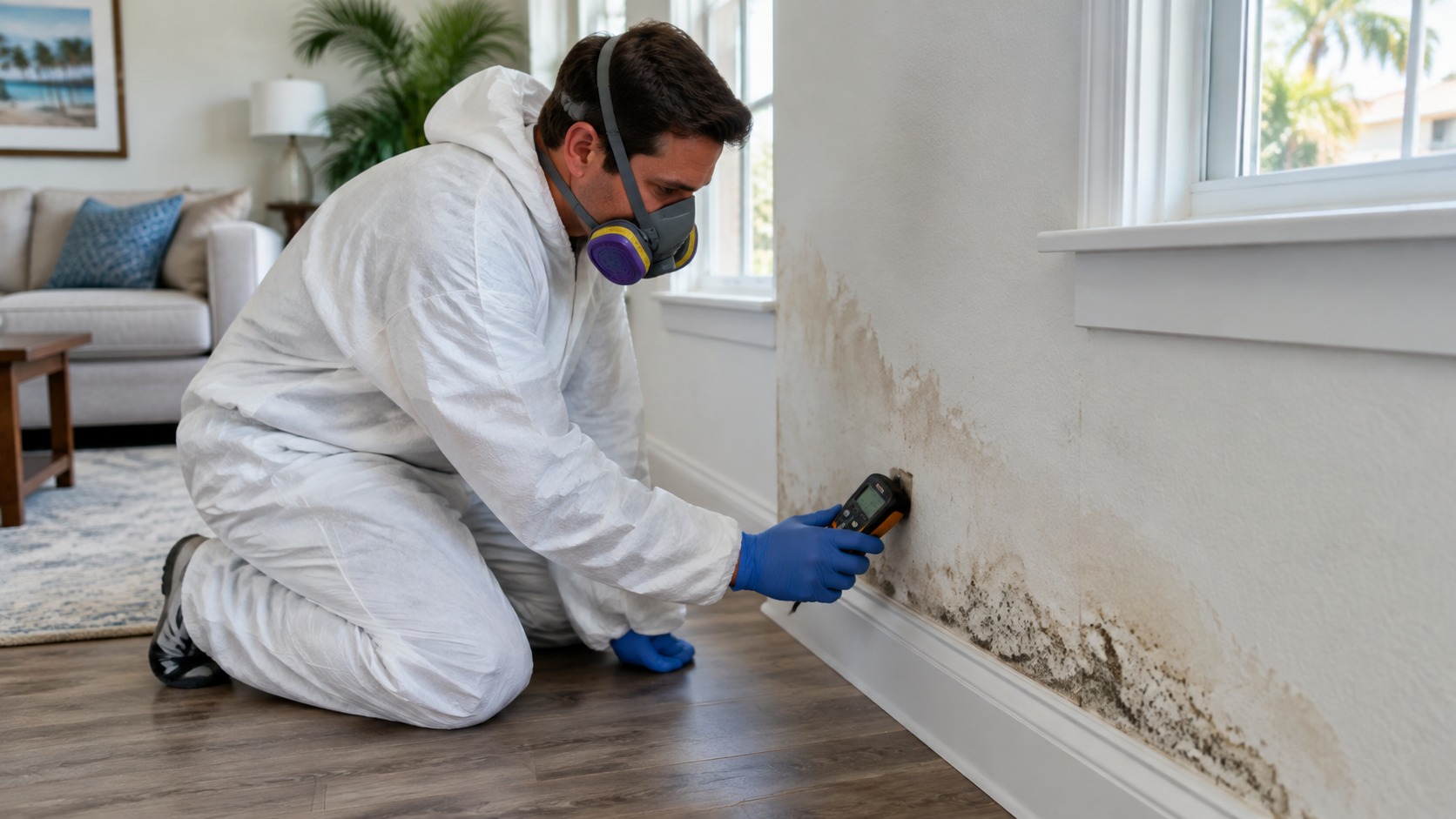
- Baseboards or the bottom of drywall that look stained, swollen, or soft
- A water meter that keeps moving with all water shut off
Warm spots on the floor are a common clue when a hot water line is involved. Damp spots that keep coming back after you dry them are another. If you've noticed one or two of these, it's worth looking into before the damage grows.
What to Do First If You Suspect a Slab Leak
Check your water meter
Turn off every faucet, appliance, and irrigation zone, then look at your meter. If it keeps moving, water is going somewhere it shouldn't. This simple check won't pinpoint the leak, but it gives you and your plumber a useful starting point.
Shut off the water if damage is spreading
If you see water coming up through the flooring or spreading into other rooms, close your main shut-off valve. Our guide on what to do after a burst pipe explains where main valves are usually found in Central Florida homes.
Call a plumber for the pipe and a restoration team for the water
A qualified plumber handles locating and repairing the pipe itself. That repair stops new water from coming in, but it doesn't dry out what's already wet. Flooring, baseboards, drywall, and the slab surface can hold moisture long after the leak is fixed. That's where a water damage restoration team comes in.
Document everything
Take photos and video of damaged flooring, stains, and any visible water before anything is removed. Keep plumber invoices and notes together. Our water damage insurance claim guide has tips on what to record.
Why Slab Leaks Cause So Much Hidden Damage
Water from a slab leak usually moves upward and outward. Concrete is porous, so moisture can travel through the slab and into whatever sits on top of it. Tile adhesive, carpet pad, wood flooring, and the bottom edge of drywall all soak it up. That's why you can end up with damage in a room that seems far away from the actual leak.
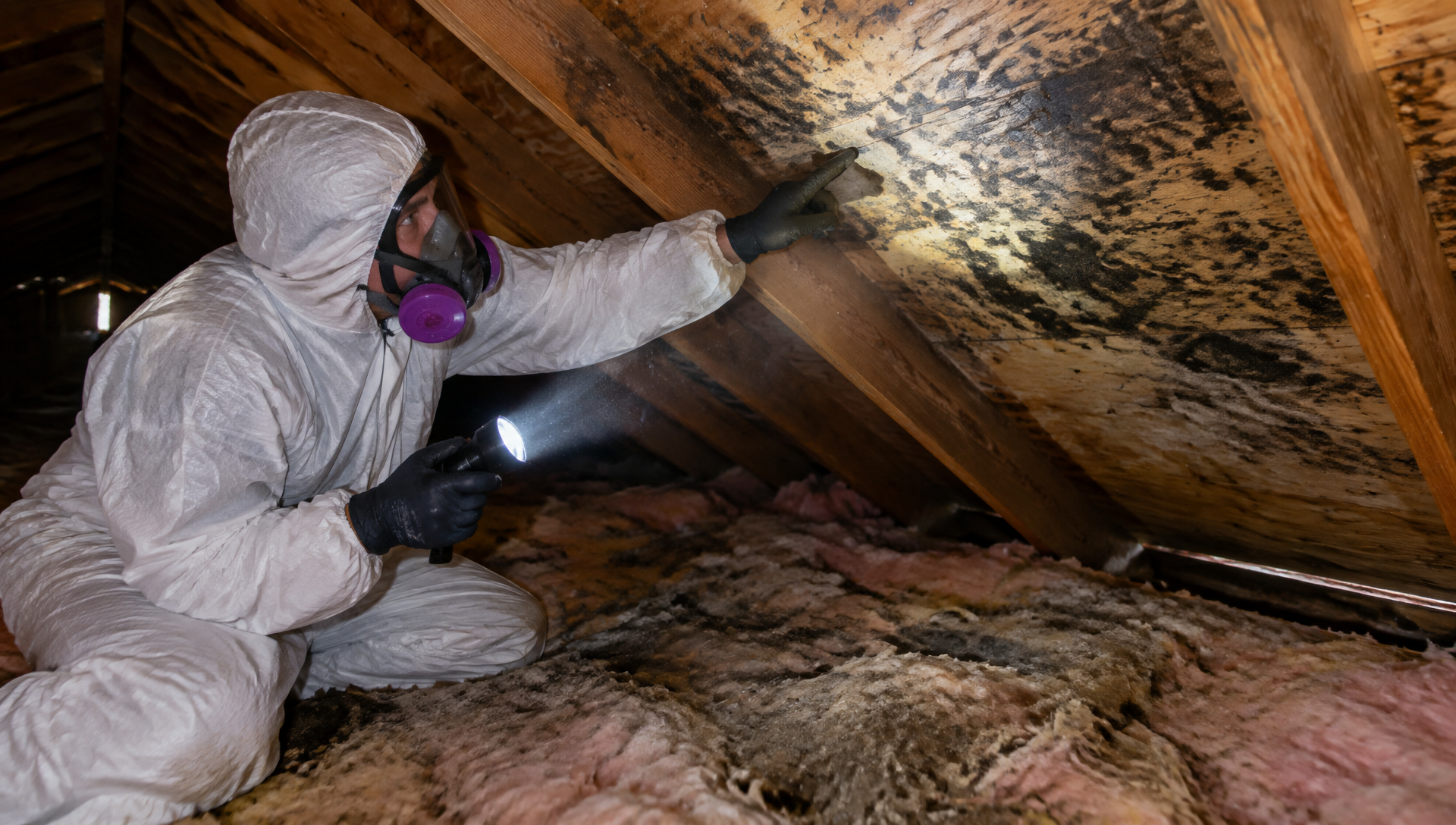
Florida humidity makes things harder. Moisture trapped under flooring or behind baseboards doesn't evaporate easily, and damp, dark spaces are exactly where mold likes to grow. Our article on the signs of hidden mold in Florida homes explains what to watch for if a leak may have been going on for a while.
How Professional Drying Works After a Slab Leak
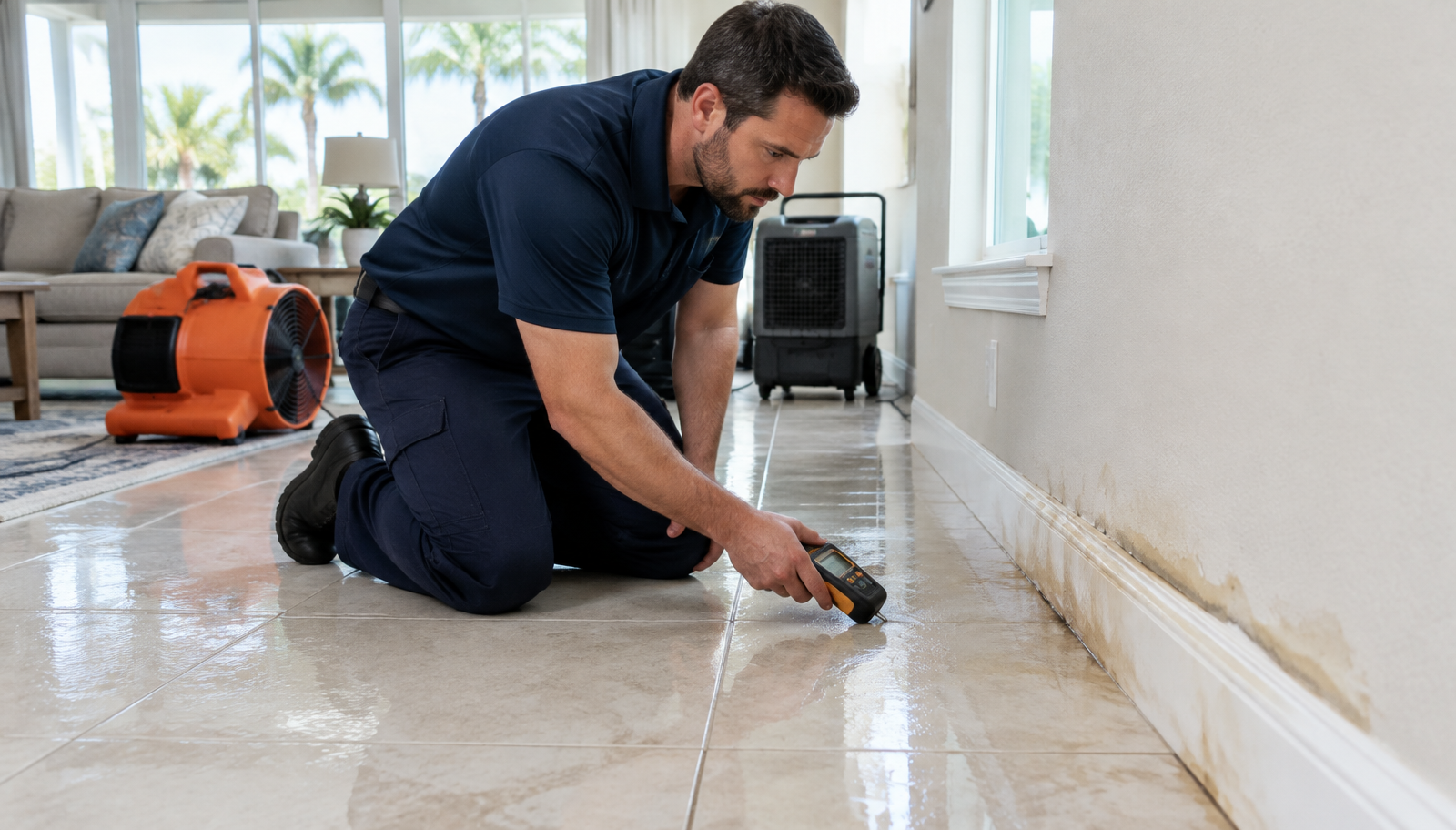
Once the plumbing repair is done or scheduled, OnSite Mitigation & Restoration focuses on finding and removing the moisture the leak left behind. Every home is different, but the process often includes:
- Moisture mapping with meters and thermal imaging to see how far the water spread
- Extracting any standing water from carpet or hard floors
- Removing wet carpet pad, baseboards, or flooring that can't be dried in place
- Setting up air movers and dehumidifiers for the affected area
- Taking moisture readings until materials reach dry standards
- Documenting readings and photos for your records and your insurer
The goal is to dry the structure, not just the surface. A floor can feel dry on top while the slab and the materials around it are still holding water. Regular readings take the guesswork out of knowing when the job is really finished.
Slab Leaks, Mold, and Contaminated Water
If a slab leak went unnoticed for a while, mold may have started behind walls or under flooring. In that case, professional mold remediation may be needed alongside drying. If the leak involves a drain line rather than a supply line, the water may be contaminated, and the cleanup changes. Contaminated water calls for the same precautions used in sewage and biohazard cleanup, including protective gear and disinfection of affected surfaces.
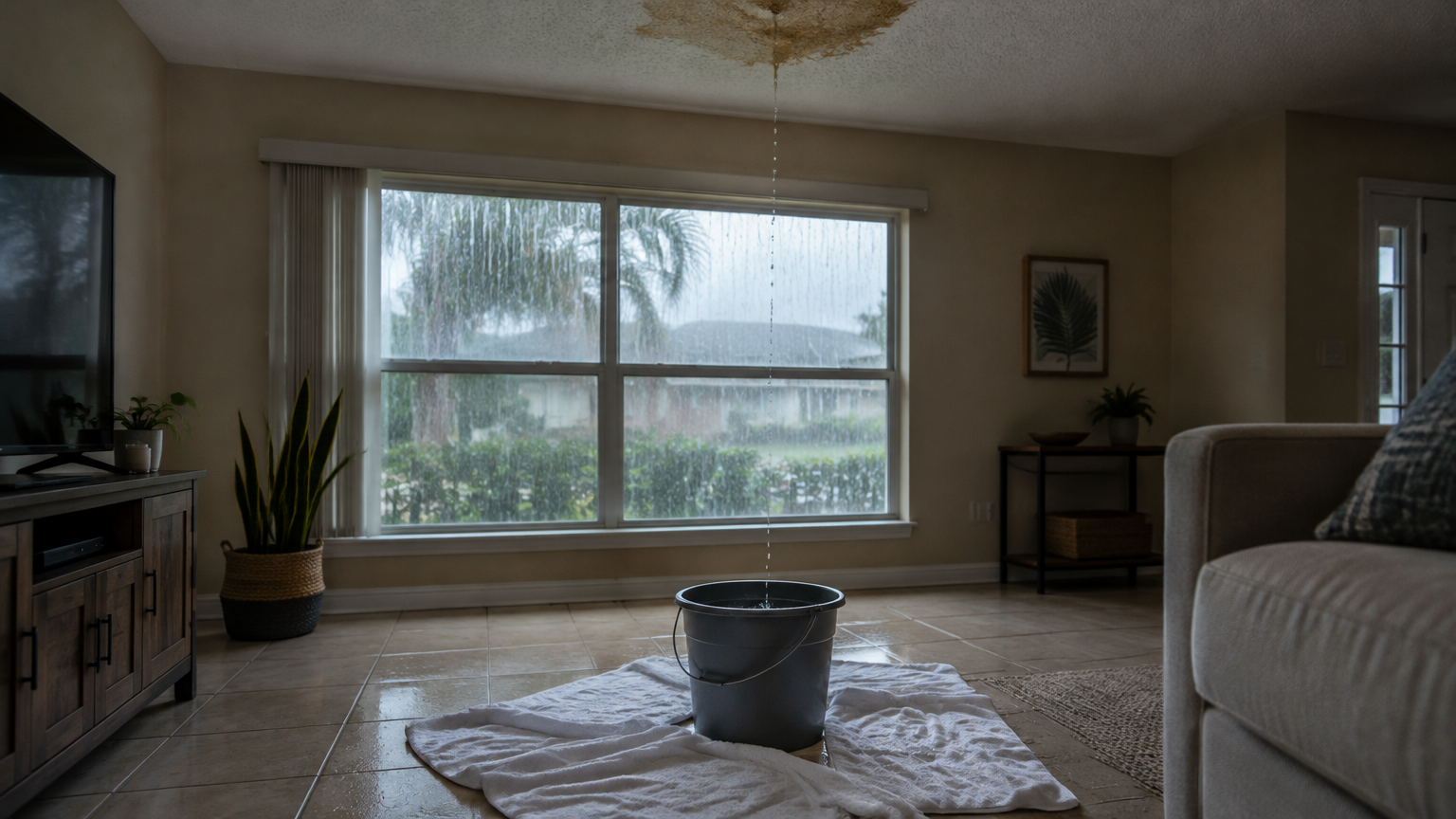
And if storm season brings roof trouble on top of a plumbing problem, our emergency roof tarping service can help keep rain out while the inside of your home dries.
Does Insurance Cover Slab Leak Water Damage?
It depends on your policy. Some policies treat sudden water damage differently from gradual leaks, and the pipe repair, access through the slab, and the resulting damage may each be handled differently. Mold and contaminated water often come with their own limits or exclusions. Call your insurance company, ask what your specific policy includes, and keep careful records from day one.
Serving Winter Haven and All of Polk County
OnSite Mitigation & Restoration is locally owned and based in Winter Haven, helping homeowners in Lakeland, Auburndale, Bartow, Haines City, Lake Wales, and nearby Polk County communities. If you've dealt with a water heater leak or a flooded home before, the same drying principles apply here. You can also read more about the warning signs of water damage in Haven, FL.
Frequently Asked Questions
How can I tell a slab leak from a simple spill?
A spill dries up and stays dry. Slab leak damage tends to come back in the same spot, often along with a warm floor, a rising water bill, or a meter that moves when everything is off. A plumber can confirm the source.
Can I just dry the floor with fans?
Fans may dry the surface, but moisture in the slab, carpet pad, and lower walls can stay behind. Professional moisture readings help confirm when materials are actually dry.
Will my flooring have to come up?
Not always. Some materials can be dried in place, while others, like saturated carpet pad or swollen laminate, may need to be removed. It depends on what got wet and how long it stayed wet.
Think you have a slab leak? Call OnSite Mitigation & Restoration at (863) 347-3029 for 24/7 help in Winter Haven and across Polk County. Once the leak is located, our team can map the moisture, remove what can't be saved, and dry your home properly. You can also request service online.
Contact Onsite Mitigation & Restoration Today
Damage doesn't wait for a convenient time — and the sooner it's addressed, the better the outcome for your home. We proudly serve Winter Haven and all of Central Florida, ready to respond 24/7.