Attic Mold in Winter Haven, FL: Causes, Signs, and What to Do
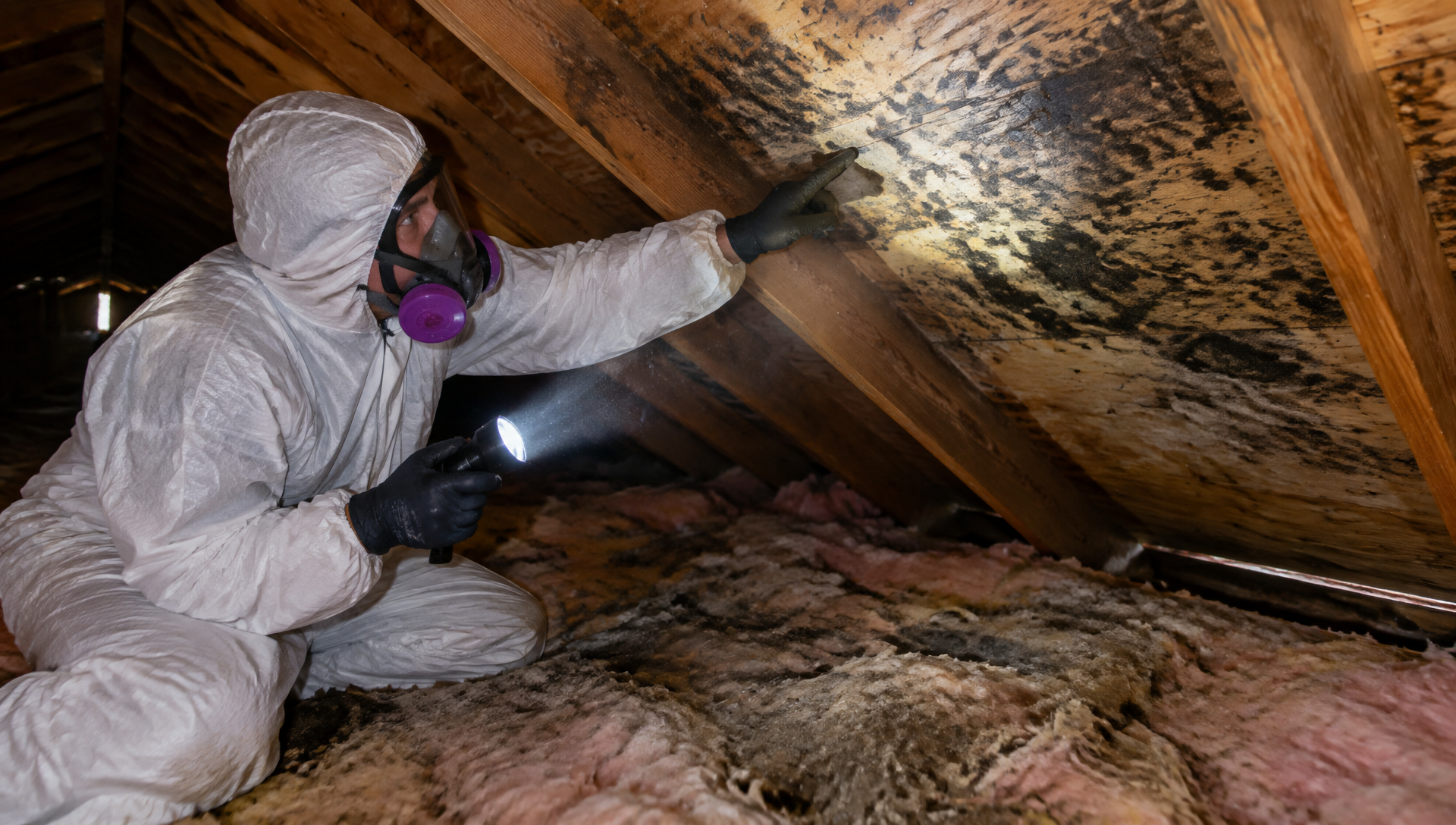
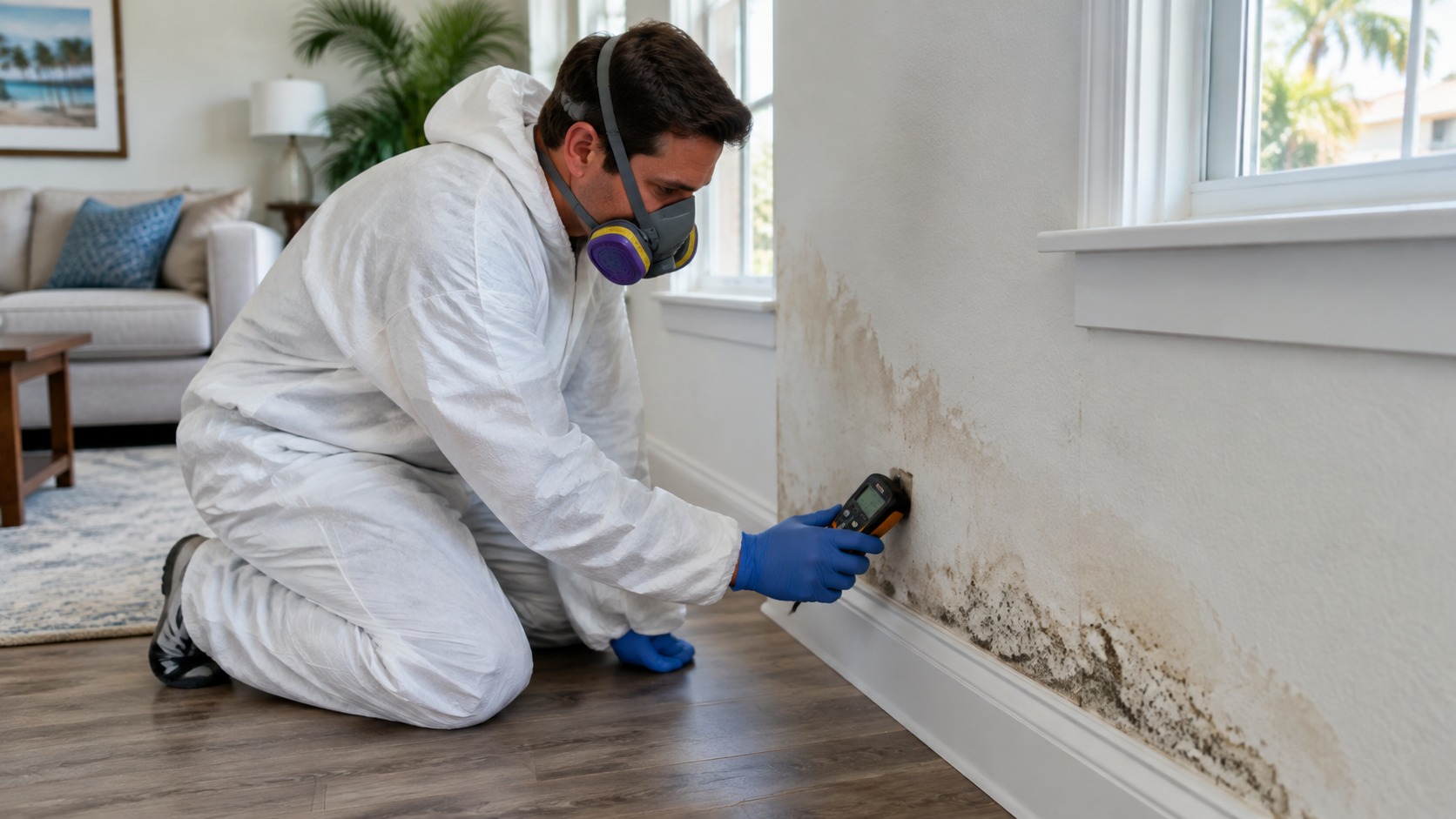
Most people don't spend much time in their attic, and that's exactly why mold can grow up there for months before anyone notices. Between Central Florida's heat, humidity, summer storms, and air handlers tucked above the ceiling, attics take a lot of moisture. Attic mold in Winter Haven usually shows up as dark staining on the roof decking, a musty smell that drifts into the house, or damp insulation found during an unrelated repair. Here's what causes it, how to spot it, and when it's time to call for professional mold inspection and remediation.
Why Attic Mold Is Common in Winter Haven Homes
Mold needs moisture, something to feed on, and time. A typical Florida attic has plenty of all three. Wood rafters and roof sheathing give mold a food source. Hot, humid air collects under the roof. And when water gets in from a leak or condensation, it can sit in insulation and on wood surfaces where nobody is looking.
Homes around Winter Haven, Lakeland, Auburndale, and the rest of Polk County also deal with heavy afternoon rain for much of the year, plus the occasional tropical storm. Any weak spot in the roof gets tested again and again. Over time, small amounts of moisture add up.
Common Causes of Attic Mold
Roof leaks and storm damage
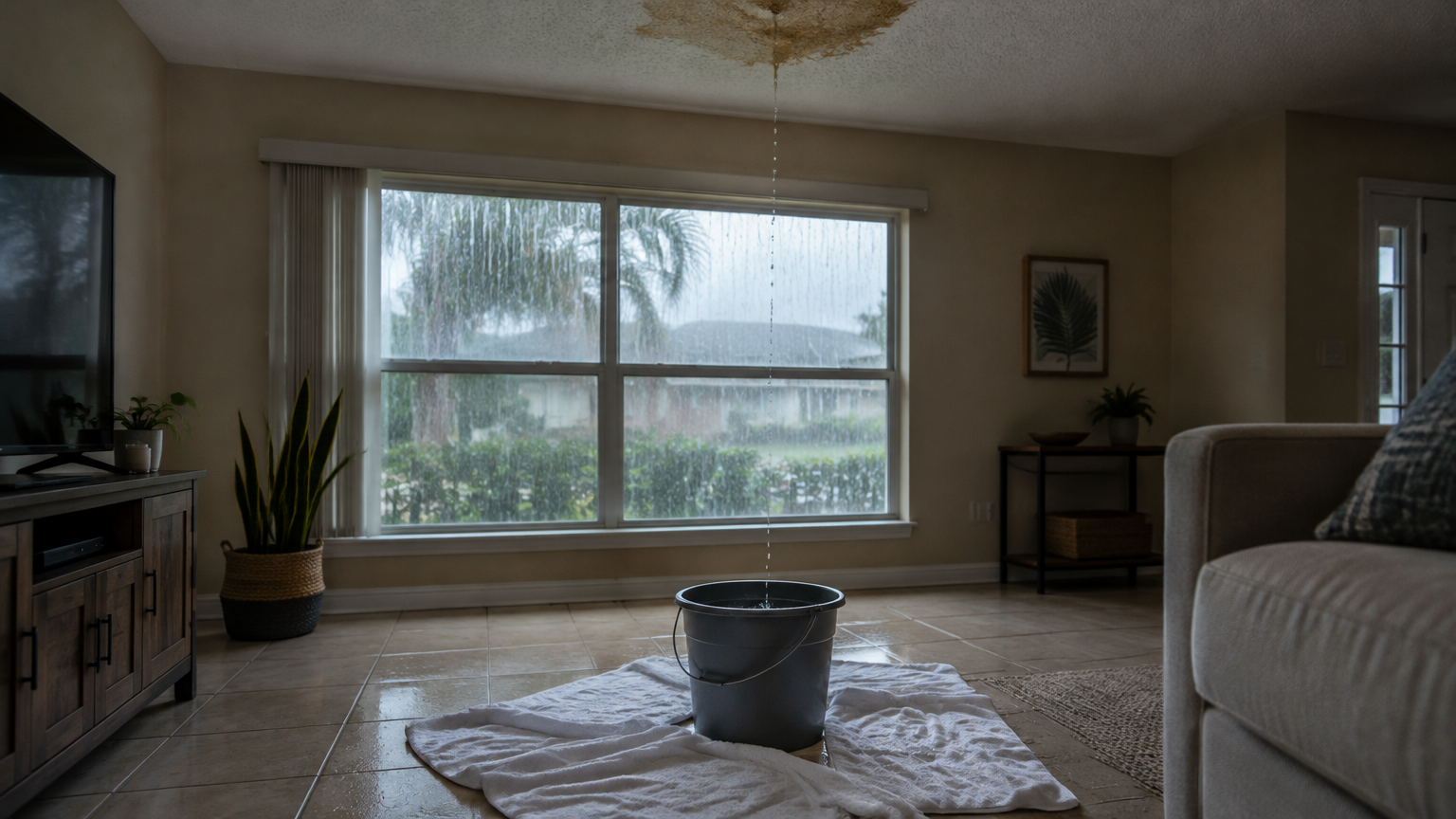
A lifted shingle, cracked flashing around a vent, or a puncture from a falling branch can let rain drip onto the decking and insulation below. Sometimes the leak is small enough that it never makes it to the ceiling, so the only sign is mold growing in the attic itself. After a storm opens up the roof, emergency roof tarping helps keep more rain out while repairs are arranged. Our guide on what happens after emergency roof tarping covers why checking the attic for moisture is an important next step.
AC air handler and duct problems
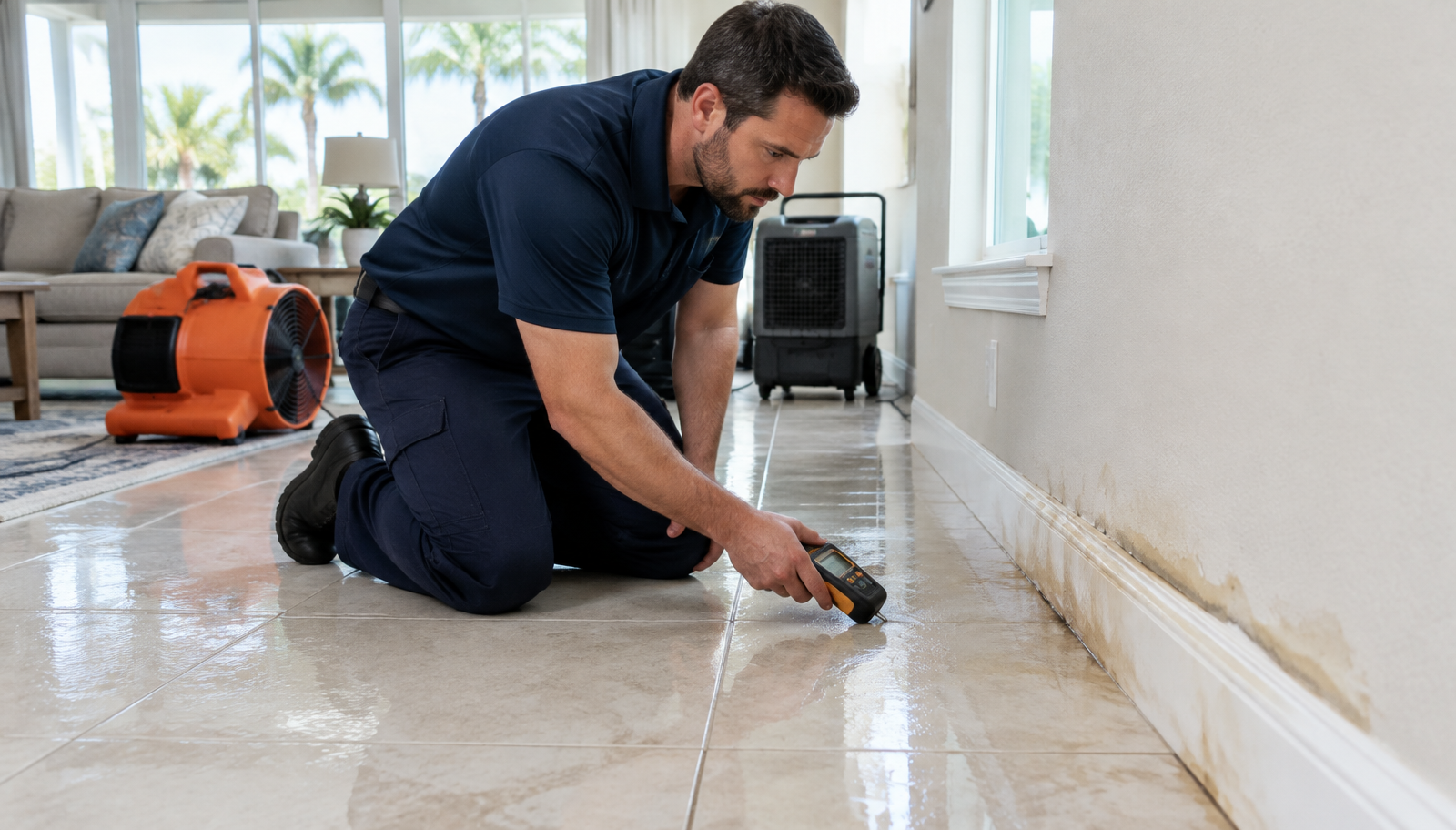
Many Central Florida homes have the air handler or ductwork running through the attic. A clogged condensate line, an overflowing drain pan, or sweating ducts can drip water onto insulation and framing every time the system runs. If you've ever had a ceiling stain under your AC, our article on AC leak water damage in Florida explains how those leaks start.
Poor ventilation and trapped humidity
Attics need airflow to let warm, moist air escape. Blocked soffit vents, missing ridge ventilation, or insulation pushed up against the vents can trap humidity. Bathroom or kitchen exhaust fans that vent into the attic instead of outside add even more moisture right where you don't want it.
Signs You May Have Attic Mold
- Dark gray, black, or greenish staining on roof decking or rafters
- A musty smell in upstairs rooms or near the attic access
- Damp, matted, or discolored insulation
- Water stains on ceilings below the attic
- Rusty nails poking through the roof sheathing
- Frost-like white or fuzzy growth on wood surfaces
- Allergy-type symptoms that seem worse at home
Not every dark mark in an attic is active mold, and not every mold problem is easy to see. Mold can hide under insulation or on the back side of framing. Our post on the signs of hidden mold in Florida homes goes deeper into the clues that point to growth you can't see yet.
What to Do If You Find Attic Mold in Winter Haven
Don't disturb it
It's tempting to grab a spray bottle and start scrubbing, but disturbing mold can send spores into the air and down into your living space. Attics are also hot, cramped, and easy to fall through if you step off a joist. It's safer to back out, close the access, and get a professional opinion.
Look for an active leak
If you can safely see water dripping or wet insulation from the access opening, take note of where it is. If the source is your AC, turn the system off until it can be checked. If rain is coming in through the roof, that opening needs to be covered before the next storm.
Take photos
Photos of the staining, wet insulation, and any ceiling damage help when you talk with your insurer and your restoration team. Our water damage insurance claim guide covers what's useful to document.
How Professional Attic Mold Remediation Works
Every attic is different, but the general approach OnSite Mitigation & Restoration follows is the same process described on our mold remediation page:
- Inspecting the attic and, when needed, collecting air or surface samples
- Finding the moisture source, whether it's the roof, the AC, or ventilation
- Setting up containment and negative air pressure so spores don't spread into the house
- Removing mold-affected materials like wet insulation that can't be saved
- Cleaning and treating remaining surfaces with an antimicrobial product
- Confirming the area is dry and documenting the work for your records
The most important part is fixing the moisture problem. Removing mold without stopping the leak or improving airflow usually means it comes back. If you'd like to see the full step-by-step, read what a mold remediation company does.
Preventing Attic Mold After Cleanup
- Have your roof checked after major storms, not just when you see a leak
- Keep AC condensate lines clear and check the drain pan regularly
- Make sure bathroom and kitchen fans vent outside, not into the attic
- Keep soffit vents clear of insulation and debris
- Peek into the attic a few times a year, especially after heavy rain
Getting ready before storm season also helps. Our hurricane season prep checklist for Polk County includes roof checks that can catch problems early, and our guide to roof tarping in Winter Haven, FL explains how temporary protection works.
Does Insurance Cover Attic Mold?
It depends on your policy and what caused the mold. Some policies treat mold from a sudden event differently from mold caused by long-term leaks, humidity, or maintenance issues, and many policies have mold limits or exclusions. Call your insurance company, ask what your specific policy covers, and keep your photos and records together.
Other Moisture Problems We Handle
Attic mold often goes hand in hand with other damage. If a roof or AC leak has soaked ceilings and walls, our water damage restoration team can extract water and dry the structure. If a separate plumbing problem involves wastewater, our sewage cleanup service follows the protective steps that contaminated water requires.
Frequently Asked Questions
Is attic mold dangerous to my family?
Mold exposure can trigger allergy symptoms and respiratory irritation, especially for kids, older adults, and anyone with asthma. Attic air can move into living spaces through gaps, light fixtures, and ductwork, so it's worth addressing rather than ignoring.
Can I just spray bleach on attic mold?
Spraying the surface doesn't fix the moisture source and can disturb spores. Bleach also doesn't reach growth inside porous wood or under insulation. A professional assessment helps decide what can be cleaned and what needs to be removed.
Will my insulation need to be replaced?
Wet or mold-affected insulation often needs to be removed, but it depends on how much got wet and for how long. Dry, unaffected insulation in other parts of the attic may be fine.
Found mold or a musty smell coming from your attic? Call OnSite Mitigation & Restoration at (863) 347-3029 for 24/7 help in Winter Haven, Lakeland, Auburndale, Bartow, Haines City, Davenport, Lake Wales, and across Polk County. Our locally owned team can inspect the attic, track down the moisture source, and remove the mold safely. You can also request service online.
Contact Onsite Mitigation & Restoration Today
Damage doesn't wait for a convenient time — and the sooner it's addressed, the better the outcome for your home. We proudly serve Winter Haven and all of Central Florida, ready to respond 24/7.